Automated Component Kit Preparation Selection Guide
Compare component kitting machines by kit recipe, identity and quantity checks, receiving-pack tracking and accepted complete-kit output, including recovery.
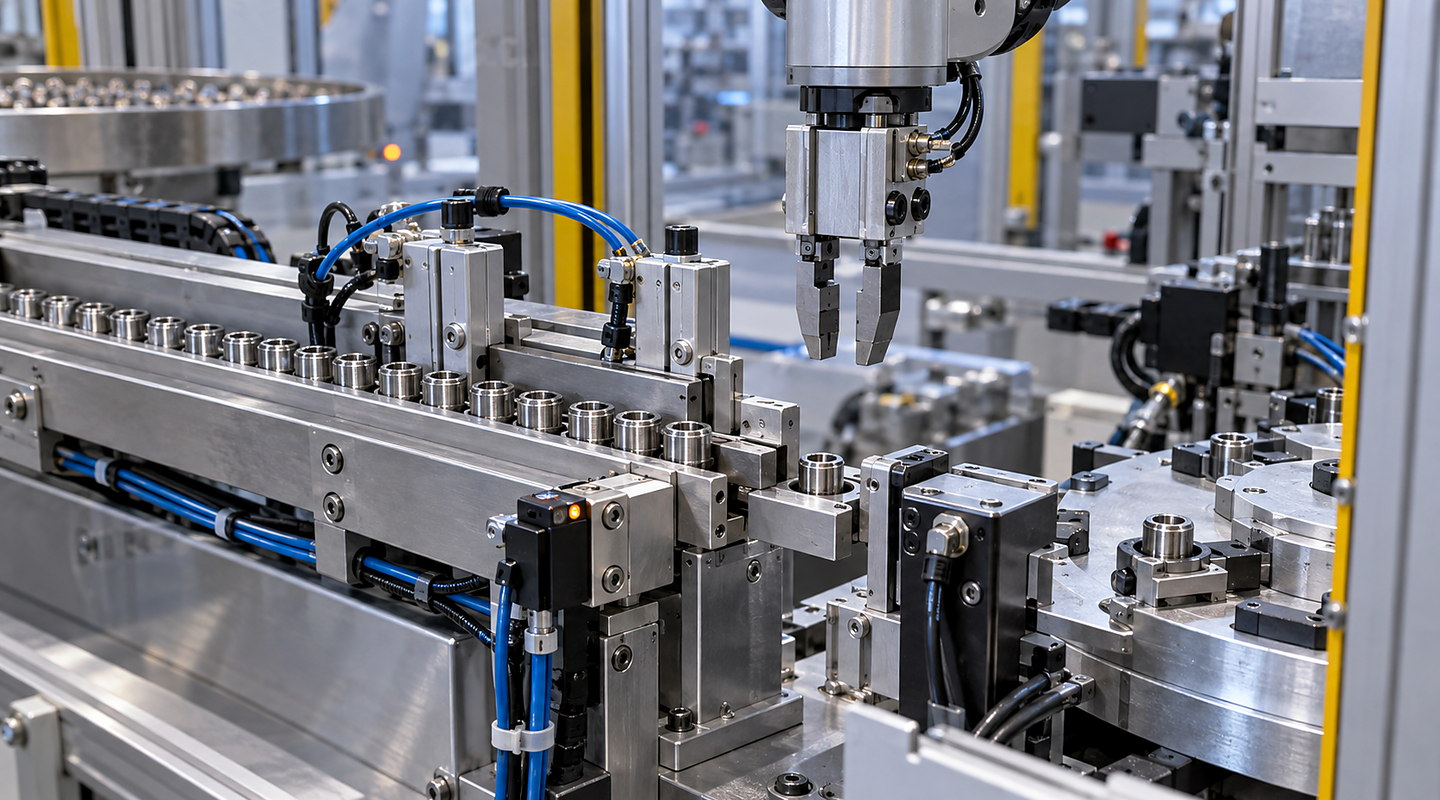
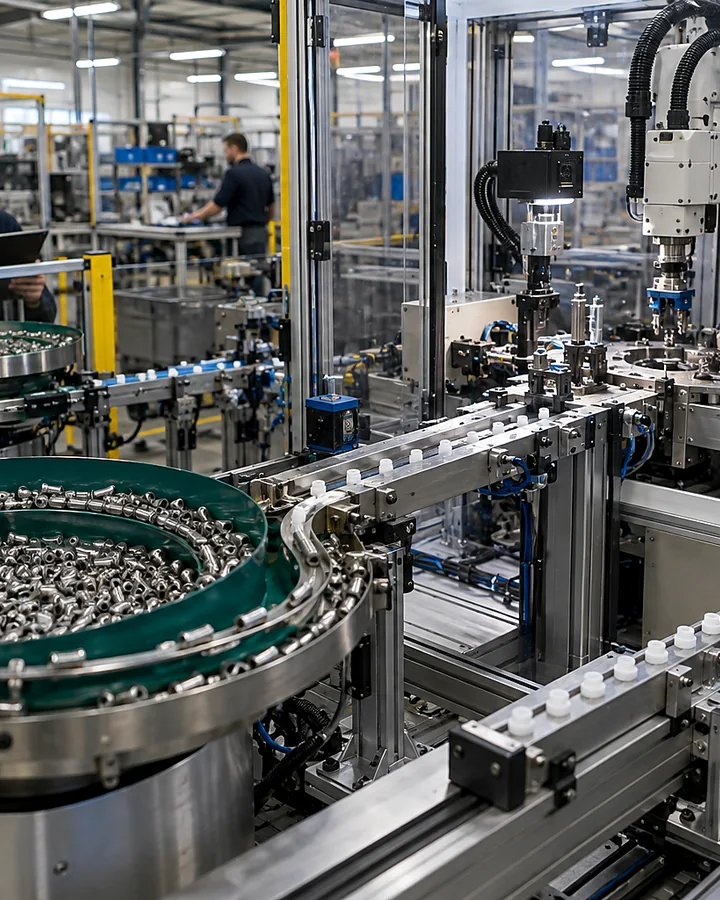
Photographs illustrate component feeding and transfer. Component identity, quantities and complete-kit release must be proved with representative parts and the intended receiving pack.
Compare kitting concepts using the same bill of materials, component range and receiving pack. Establish which errors each check can detect, including missing, extra and similar-looking wrong items. Assess accepted complete-kit output with refills, interruptions, recipe changes and controlled recovery included.
Keep the existing manual, tray and flexible-feeding alternatives in the comparison. Use the kit specification checklist and the same acceptance challenges for every proposal.
Compare options in the conditions where they must work — Automated Component Kit Preparation
Plan automated component kit preparation around real component variation, bulk condition, orientation, usable delivery rate and the downstream interface. Discuss representative part trials with Sorting Solutions. A useful shortlist should show how every option copes with component geometry and variation for automated component kit preparation and escapement and downstream pick interface.
Discuss your application
Ask every supplier the same questions
| Decision | What to ask | What to check |
|---|---|---|
| Component Geometry and Variation for Automated Component Kit Preparation | Which component references, quantities, variants and substitutions define every kit recipe? | An approved bill of materials, similar-looking variants and normal, marginal and supplier-variant samples, with receiving positions identified. |
| Surface, Fragility and Entanglement Behaviour | Can the proposed supply method separate and present each component without damage or entanglement? | Representative trials in the intended supply condition; include simpler manual or tray presentation where bulk feeding is unsuitable. |
| Bulk Condition and Replenishment Method | How are empty supplies, refills and remaining components controlled for each recipe? | A supply-stream record, refill behaviour and a changeover method that accounts for parts already in the system and unfinished kits. |
| Required Orientation and Delivery Rate | What accepted complete-kit delivery is required for the actual product mix and receiving operation? | Measured complete kits with replenishment, checking, recipe changes and rejected or uncertain kits included, rather than summed peak feeder rates. |
| Escapement and Downstream Pick Interface | What proves identity, quantity and delivery into the correct receiving container or position? | Separate check capabilities and limits; container-to-result association challenged through removal, replacement and interrupted cycles. |
| Jam, Damage and Recovery Acceptance Checks | How are missing, extra, wrong or uncertain components contained and recovered? | An agreed hold or rework route, recovery without duplicate dispensing, authorised rechecks and retained recipe revision and challenge records. |
Include simpler approaches to automated component kit preparation in your shortlist
| Approach | Often suitable when | Watch for |
|---|---|---|
| Automated Component Kit Preparation | You need a dedicated solution for a clearly defined duty, product or part range and line interface. | Sample trials must include normal, marginal and supplier-variant components. |
| Flexible Vision-Guided Feeding for Suitable Variable Part Families | Part families vary and trials show that vision-guided presentation can supply each required component. | Validate component identity, quantity and delivery to the intended kit location; include empty supplies, uncertain checks and recipe changes. |
| Manual or Tray Presentation where Bulk Feeding Would Damage Parts or Add Unjustified Complexity | Bulk presentation would damage components or add complexity that the kit quantities and product mix do not justify. | Define each component reference, quantity and tray position, then control missing, similar or uncertain parts before releasing a kit. |
Pause before choosing when…
- Only perfect or hand-selected examples of bulk presentation using automated component kit preparation are available.
- No one has defined how jam, damage and recovery acceptance checks will be evaluated.
- The normal range for component geometry and variation for automated component kit preparation is described only as “usually fine” but has not been bounded.
- Your operator, cleaning, maintenance or recovery access has not been considered.
- Quoted performance depends on another machine or data source that is not included.
Choose a kitting check that can identify the missing item
A kit is defined by its bill of materials, quantities and permitted variants. Select the confirmation method by the error it must detect, including a missing item, an extra item and a wrong item that looks similar.
Define acceptance for each kit recipe
Record component identifiers, quantity and any approved substitution rules. Separate a complete kit from one awaiting rework. A total cycle counter confirms how often a sequence ran; it does not establish that the correct components reached every receiving container.
Understand the limit of an aggregate check
A total weight or overall presence check may be useful, but its capability depends on the actual variation and error to be detected. For example, exchanging one component for a similar-mass variant may leave an aggregate result unchanged. Trial plausible mistakes rather than assuming that one measurement proves the complete bill of materials.
Keep the container associated with its result
Define how a kit container is identified or tracked between the dispensing points and release. Include removal, replacement and an interrupted cycle in the trial. If the system loses the association, the recovery route should deal with an uncertain kit explicitly instead of continuing as though its history were known.
Plan recipe changes and rework
Clear or account for remaining components and part-complete containers before changing the recipe. State who may rework a rejected kit and how the result is checked again. Retain the recipe revision and the representative challenge cases with the acceptance record.